

Table of Contents
- Metal Equipment Sheds: The Real Value Proposition
- Metal Shed Cost Breakdown: What You'll Actually Spend
- Metal Shed Pros and Cons: What Matters Most
- Metal Shed vs. Wood Shed: Which Wins Long-Term?
- Metal Shed Foundation Requirements: Planning Ahead
- How Long Do Metal Sheds Actually Last?
- Is a Metal Storage Shed Right for Your Operation?
- Frequently Asked Questions
Last Updated: October 21, 2026
Metal Equipment Sheds: The Real Value Proposition
Are metal equipment sheds worth the investment? For most property owners, farmers, and ranchers managing equipment and seasonal storage needs, the answer is yes, but only if you approach the decision with a clear understanding of what you're actually paying for. At Flint Hills Barns, we work with rural property owners across the Midwest and South who face this exact question, and the answer depends less on whether metal sheds are "worth it" in theory and more on whether they're worth it for your specific situation.
The real question isn't whether metal equipment sheds offer value. It's whether the value they deliver aligns with your needs, your budget, and your timeline. A metal shed that sits empty while you overpaid for features you don't need is a poor investment. A metal shed that protects expensive equipment from weather and extends its lifespan by years is one of the smartest purchases you can make.
Metal Shed Cost Breakdown: What You'll Actually Spend
Understanding the true cost of a metal equipment shed means looking beyond the sticker price. Many property owners get surprised by hidden expenses that weren't obvious during the initial purchase decision. The purchase price is only part of the equation.
Purchase Price vs. Total Cost of Ownership
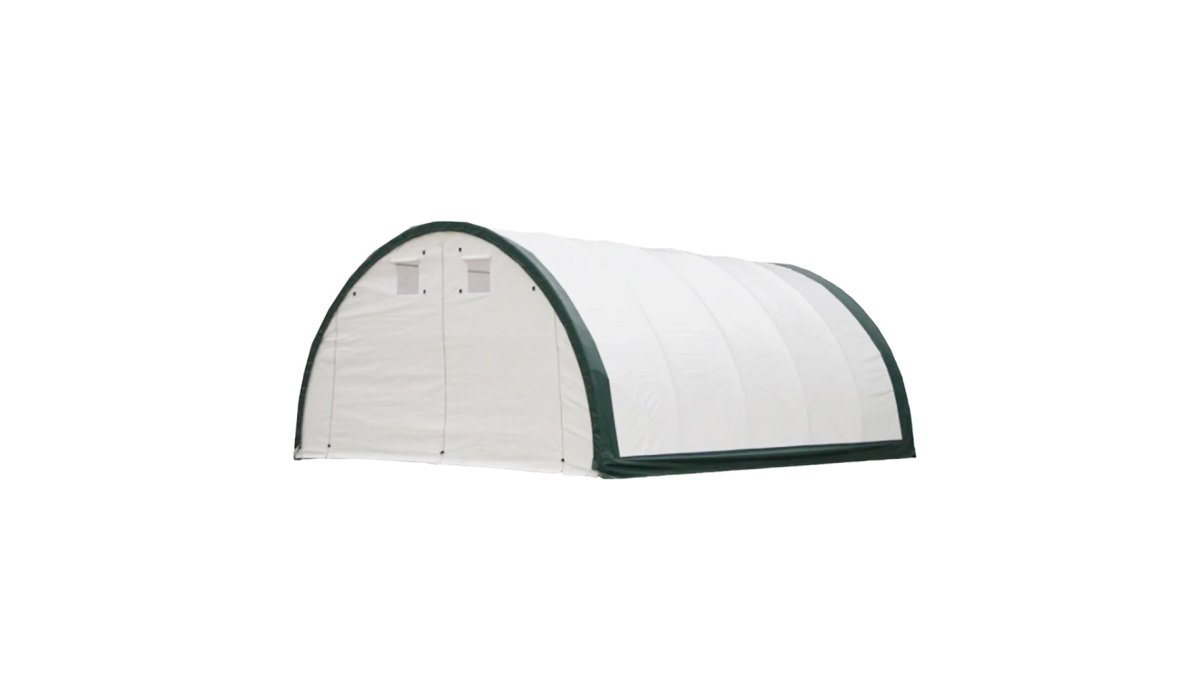
The entry point for metal equipment sheds varies significantly based on size and features. A basic 13' × 20' galvanized-steel storage shed from Flint Hills Barns starts at $690.00, while upgraded models with enhanced structural ratings run $1,399.00 to $1,599.00 depending on dimensions and features.

The purchase price matters, but it's not the whole story. Total cost of ownership includes foundation preparation, delivery, installation, and ongoing maintenance.
Foundation, Delivery, and Installation Expenses

Before your metal shed arrives, you need a prepared foundation. A level, properly compacted base, whether concrete, gravel, or treated wood, is essential for the structure to perform as designed. Foundation costs vary widely depending on your site conditions and local requirements.
Delivery isn't free. Most metal sheds ship on a pallet and require forklift unloading at your property. Optional liftgate service, which lowers the packaged shed from the truck, adds $150 to delivery costs.
Assembly is where many buyers underestimate the time and effort involved. Metal sheds ship partially disassembled and require on-site construction. The process typically takes a full day or more depending on shed size, your experience level, and whether you have help.
Metal Shed Pros and Cons: What Matters Most
Durability and Weather Resistance Advantages
Metal sheds excel at protecting equipment from the elements. Galvanized steel construction provides genuine corrosion resistance, the zinc coating protects the underlying steel even when the surface is scratched or damaged.
The durability advantage is real. A well-maintained metal shed can protect equipment for 15-20 years or longer. That longevity translates directly into lower replacement costs compared to materials that degrade faster.
Metal sheds handle snow and wind loads effectively when properly installed.
The UV-resistant coating on galvanized panels helps prevent fading and surface degradation from prolonged sun exposure. In southern climates where intense sunlight is constant, this protective layer extends the shed's appearance and structural integrity.
Common Drawbacks and Maintenance Realities
Metal sheds aren't maintenance-free, despite what some marketing suggests. Galvanized steel requires periodic inspection and care to maintain its protective properties.
Condensation inside metal structures is a legitimate concern. Metal conducts temperature changes rapidly, which can cause interior moisture to condense on walls and roof.
Assembly difficulty varies depending on your experience level and physical capability. While manufacturers provide detailed instructions, the process requires patience, attention to detail, and often a second person to hold parts in place.
Metal sheds can be noisy during rain or wind. The sound of rain hammering on a metal roof, while not a dealbreaker, surprises some owners. Wind can also create vibrations that transmit through the structure.
Metal Shed vs. Wood Shed: Which Wins Long-Term?
The comparison between metal sheds and wood sheds reveals important trade-offs that affect long-term value.
Wood sheds offer aesthetic appeal that metal structures don't match. If appearance matters for your property, wood fits better into traditional rural landscapes. Wood also provides better insulation in cold climates, the material naturally resists temperature transfer better than metal.
But wood requires significantly more maintenance. Wood sheds need regular staining, sealing, or painting to prevent rot and weather damage. In humid climates or areas with heavy rainfall, wood deteriorates quickly. Termites, carpenter ants, and other wood-boring insects can compromise structural integrity over time.
The total cost of ownership strongly favors metal when you factor in maintenance. Paint and stain for a wood shed cost money and labor every few years. Repairs to rotted sections, damaged framing, or insect damage add up. Metal sheds have virtually no ongoing maintenance beyond occasional inspection and cleaning.
Wood sheds also offer less protection in severe weather. They're more vulnerable to high winds, heavy snow loads, and extreme temperature swings. Metal structures with proper engineering handle these conditions more reliably.
For long-term value, metal equipment sheds outperform wood in most climates and use cases. The lower maintenance burden and superior durability make the investment more economical over a 20-year horizon.
10' × 20' Galvanized-Steel Storage Shed with Double Front Doors & Side Entry →
Metal Shed Foundation Requirements: Planning Ahead
Your metal shed's performance depends entirely on its foundation. A poor foundation creates problems that no amount of quality construction can overcome.
Metal sheds require a level, stable base capable of supporting the structure and its contents. The foundation must resist settling, which causes misalignment and stress on connections. Common foundation options include concrete slabs, compacted gravel with treated wood framing, or solid wood platforms.
A concrete slab is the most durable option. It resists settling, provides excellent drainage management when sloped properly, and creates a solid anchor point for the shed's ground anchors. Concrete also prevents ground moisture from wicking up into the structure.
Gravel foundations work in many situations but require proper compaction and maintenance. Gravel can shift over time, especially in freeze-thaw cycles common in northern climates. Regular raking and re-leveling keeps a gravel base functional.
Treated wood platforms offer a middle-ground approach. They're less expensive than concrete but more stable than loose gravel. Wood platforms require periodic inspection to ensure the wood remains sound and properly anchored.
Local building codes often specify foundation requirements for your area. Before installation, confirm what your jurisdiction requires. Some areas mandate concrete for structures above a certain size. Others have specific setback requirements from property lines or utility locations. Checking these requirements before purchasing prevents costly mistakes.
How Long Do Metal Sheds Actually Last?
A realistic lifespan expectation helps you evaluate whether the investment makes financial sense over time.
Metal sheds with proper installation and maintenance typically last 15-20 years or longer. Some structures have remained functional for 25+ years, though this usually requires consistent care and favorable climate conditions.
The actual lifespan depends heavily on climate. In dry, temperate regions with moderate weather, metal sheds age slowly. In harsh climates with heavy snow, salt air, or intense UV exposure, the protective coating degrades faster. Regular inspection and touch-up maintenance, addressing any rust spots or coating damage promptly, extends lifespan significantly.
Proper foundation work also affects longevity. A shed on a stable, well-drained foundation experiences less stress and lasts longer than one on shifting or water-logged ground.
Compare this to wood sheds, which typically require significant repairs or replacement after 10-15 years in most climates. The durability difference matters financially when you calculate replacement costs over time.
Is a Metal Storage Shed Right for Your Operation?
Metal equipment sheds make sense for specific situations and less sense for others. Understanding which category you fall into determines whether the investment is truly worthwhile.
Choose a metal shed if you need reliable, low-maintenance protection for expensive equipment over a long period. If you're storing vehicles, tractors, tools, or seasonal items worth thousands of dollars, the protection a metal structure provides justifies the investment.
Metal sheds work well for property owners who lack the time or interest in ongoing maintenance. If you'd rather not paint, seal, or repair a structure every few years, metal's minimal maintenance requirement is a genuine advantage.
Consider alternatives if your primary concern is appearance or if you live in a climate where condensation management is impractical.
A metal shed also makes sense if you need the structure to withstand severe weather.
At Flint Hills Barns, we help property owners evaluate whether a metal shed fits their specific needs. Our personalized quote process, working directly with Bobby Payne, ensures your shed design matches your actual storage requirements, your site conditions, and your budget.
The decision comes down to this: metal sheds are worth the investment when you need durable, reliable equipment protection and you're willing to invest in proper foundation preparation and basic maintenance.
Metal equipment sheds represent a solid investment for rural property owners, farmers, and ranchers who need reliable equipment protection.
Flint Hills Barns offers customizable metal shed solutions designed specifically for agricultural and rural storage needs. Our team provides personalized guidance to help you select the right size and features for your operation, with clear written quotes so you understand the full investment upfront. Request a personal quote from Bobby Payne today and get a solution tailored to your property and your needs.
Frequently Asked Questions
How long do metal equipment sheds typically last?
Metal equipment sheds with galvanized steel construction and proper maintenance generally last 15-25 years or more. The lifespan depends on climate exposure, rust prevention, regular inspection, and whether snow loads or severe weather are promptly addressed. Galvanized coatings protect against corrosion, but inspection and maintenance extend service life significantly. UV-resistant coatings help prevent panel degradation in high-sun climates.
Do metal sheds need a foundation, and what does that cost?
Yes, metal sheds require a level, properly prepared foundation to ensure structural integrity and achieve rated wind and snow-load performance. Options include a concrete slab, solid wood platform, or compacted gravel base with ground anchors. Foundation costs vary by size and local soil conditions but typically add $300-$1,500 depending on whether you hire professional installation. Local building codes and permits may also apply, so confirm requirements before purchase.
What are the main drawbacks of metal sheds compared to wood?
Metal sheds are prone to condensation buildup inside, which can damage stored items without proper ventilation. They offer no insulation, making interior temperatures extreme in hot or cold climates. Metal also conducts noise during rain or hail, and rust can develop if the protective coating is scratched or if the shed is installed in a corrosive environment (salt spray, high humidity). Wood sheds insulate better and look more traditional but require regular staining or sealing and are more vulnerable to rot and pest damage.
Is it cheaper to build a shed myself or buy a metal shed?
Buying a pre-engineered metal shed is typically cheaper and faster than building from scratch. Metal sheds from Flint Hills Barns start at $690 for a 13' × 20' model, while wood construction materials and labor often exceed $2,000-$4,000 for the same footprint. Metal sheds come with assembly instructions and structural ratings; building custom requires carpentry skills, permits, and time. For rural property owners who need reliable storage quickly, a metal shed offers better value and predictable costs.
Can metal sheds store farm equipment and livestock shelter needs?
Yes, metal sheds work well for farm equipment storage and can be configured for livestock shelter. Galvanized steel resists rust from wet conditions and animal waste. Four wall vents promote airflow, reducing moisture and odors critical for animal health. Wide door openings accommodate tractors and implements. For dual-purpose use (equipment plus shelter), larger models like the 13' × 20' or the Gold Mountain 20' × 30' shelter provide flexibility. Confirm your specific equipment dimensions against door openings before ordering to ensure compatibility.